
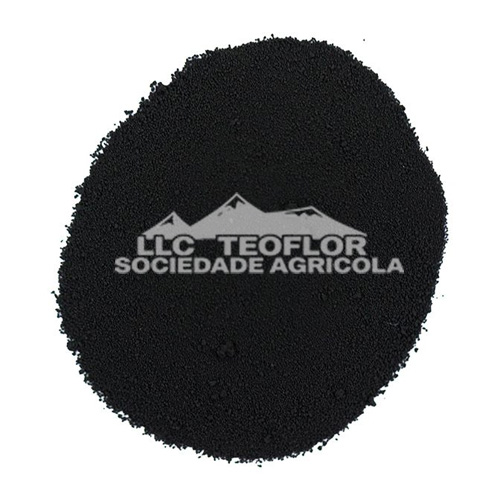

Product Description:
Bone Char – Product Introduction
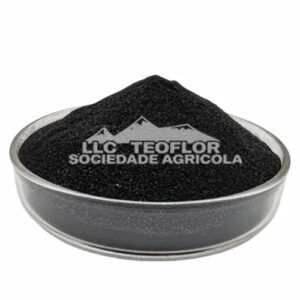
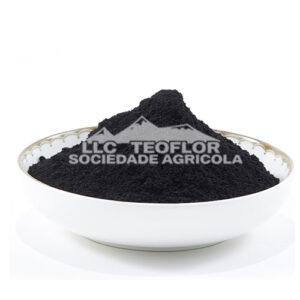
Bone Char is a black, porous, carbon-rich material produced by the pyrolysis of animal bones under low-oxygen conditions. It consists primarily of calcium phosphate (Ca5(PO4)3OH) and amorphous carbon, giving it a unique combination of adsorptive capacity and chemical stability.
Chemical Composition:
Calcium Phosphate (Ca5(PO4)3OH): ~70-80%
Carbon (Fixed Carbon): ~10-15%
Other Components: Trace minerals and moisture
Key Industrial Applications of Bone Char
1, Sugar Refining
2, Water Purification & Filtration
3, Gas & Air Filtration
4, Pigment and Ink Manufacturing
Bone char, also known as bone black, is a porous, black, granular material produced by charring animal bones. It has been used for centuries in various industries, including the pigment and ink industry.
In the pigment industry, bone char is used as a black pigment in paints, inks, and dyes. Its deep black color and fine particle size make it a popular choice for creating rich, dark shades. Bone char is particularly valued for its ability to produce a matte finish, making it ideal for creating subtle, textured effects in artwork and design.
In the ink industry, bone char is often used as a coloring agent in both traditional and modern inks. Its high carbon content and excellent lightfastness make it a reliable choice for producing long-lasting, intense black inks. Bone char is also valued for its consistent particle size, which helps ensure a smooth, even application of ink on various surfaces.
One of the key benefits of using bone char in the pigment and ink industry is its natural origin. Unlike synthetic pigments and dyes, bone char is derived from a renewable source – animal bones. This makes it a more sustainable choice for artists and manufacturers looking to reduce their environmental impact.
Additionally, bone char is known for its stability and resistance to fading, making it a reliable choice for creating archival-quality artworks and documents. Its compatibility with a wide range of binders and solvents also makes it a versatile option for artists and manufacturers working in different mediums.
However, it’s important to note that the use of bone char in the pigment and ink industry has raised ethical concerns due to the source of the material. Animal rights activists have raised objections to the use of bone char, citing concerns about animal welfare and environmental sustainability.
In response to these concerns, some manufacturers have begun exploring alternative sources for black pigments and inks, such as carbon black and synthetic black dyes. These alternatives offer similar qualities to bone char while addressing the ethical and environmental concerns associated with its production.


Usage Characteristics
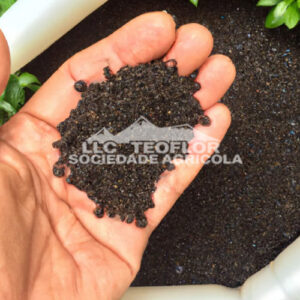
Customizable Particle Size & Porosity: Available in granular or powdered forms to suit different filtration system designs.
Regenerable: Depending on the application, bone char can be thermally reactivated, extending its lifespan.
Cost-Effective: Offers a low operating cost and long service life, making it ideal for both industrial and municipal filtration systems.


Package and Storage:
Packing: 25kg or 50kg woven bags, or as required
Storage: Store in a cool, dry place away from moisture and pests
Shelf Life: 2 years


Hot Tags: pigment and ink industry use bone char/bone black, China pigment and ink industry use bone char/bone black manufacturers, suppliers, factory
Reviews
There are no reviews yet.