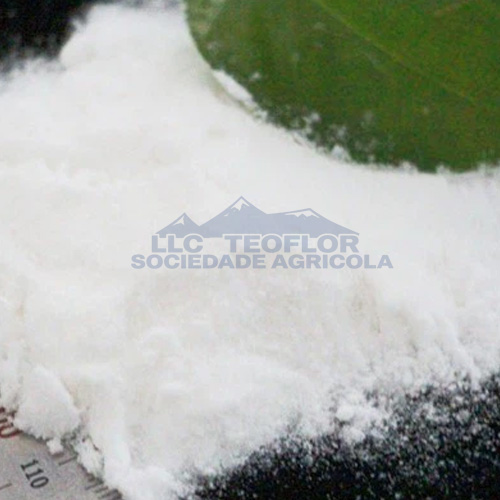
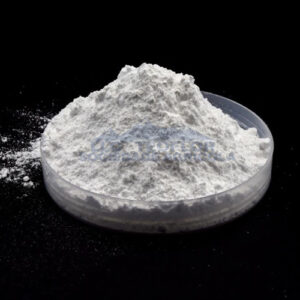
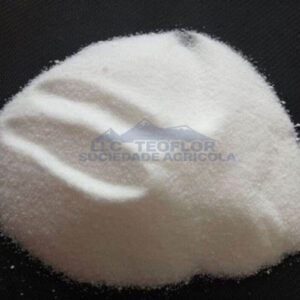
Product: Carbon and its inorganic compounds: Dyeing industry Potassium Carbonate
Molecular formula:K2CO3
Molecular weight:138.19
Description:
Dyeing industry Potassium Carbonate: close connection
The printing and dyeing industry is one of the oldest industries in the world, with a history dating back more than 4,500 years. Dyeing has been a human activity for centuries, and each culture has its own unique dyeing techniques and traditions. Today, the dyeing industry is a global industry generating billions of dollars in revenue annually. However, this is not without challenges.
One of the biggest challenges facing the printing and dyeing industry is the need for environmentally friendly technologies. Dyeing is a water-intensive process, and the chemicals used in the process can be harmful to the environment. This is where Dyeing industry Potassium Carbonate comes in.
Potassium carbonate, is a chemical compound that has been used in various industries for centuries. In the dyeing industry, potassium carbonate is used as an alkaline agent to modify the pH value of dyeing solutions. Essentially, it helps increase dye absorption by fibers and fabrics.
Unlike many other chemicals used for dyeing, Dyeing industry Potassium Carbonate is non-toxic and has no negative impact on the environment. It’s also highly biodegradable, meaning it breaks down into harmless substances when exposed to water and air.
However, the benefits of Dyeing industry Potassium Carbonate in dyeing go beyond environmental considerations. Potassium carbonate is also used to improve the color fastness of dyes. Color fastness refers to the ability of a fabric to retain its color when exposed to external conditions such as sunlight, washing and friction. By using potassium carbonate, the dyeing industry can produce fabrics that are not only environmentally friendly but also have excellent color fastness.
Another advantage of using Dyeing industry Potassium Carbonate for dyeing is the effect it has on the durability of the fabric. Fabrics treated with potassium carbonate have better tensile strength and are less likely to degrade or shrink when exposed to external conditions. This makes them ideal for a wide range of applications, from fashion and textiles to industrial and technical applications.
In conclusion, it is obvious that Dyeing industry Potassium Carbonate plays a vital role in the dyeing industry. Its eco-friendly and non-toxic properties make it an ideal alternative to other harmful chemicals used in dyeing. Additionally, it improves the color fastness, durability and tensile strength of fabrics, making it a valuable addition to any dyeing process. As the demand for sustainable and environmentally friendly products continues to grow, potassium carbonate is likely to become an even more important ingredient in the dyeing and printing industry.
Specifications:
| Inspection Items | Unit | Fine Grade | Technical Grade | First Grade | Regular Grade |
| Purity | %≥ | 99.0 | 99.0 | 98.5 | 96.0 |
| Chloride (As KCl) | %≤ | 0.01 | 0.03 | 0.10 | 0.20 |
| Sulphate (As K2SO4) | %≤ | 0.01 | 0.04 | 0.10 | 0.15 |
| Iron | %≤ | 0.001 | 0.001 | 0.003 | 0.010 |
| Water-Insolubles | %≤ | 0.02 | 0.04 | 0.05 | 0.10 |
| Ash Content | %≤ | 0.6 | 0.8 | 1.00 | 1.00 |
Storage: Store in dry and ventilated warehouse away from moisture. Don’t store goods outside or expose to the air.
Packing: In 25/50/500/1000kg PP/PE bag or on customer request.

Hot Tags: Carbon and its inorganic compounds, China Carbon and its inorganic compounds manufacturers, suppliers, factory, Organic Potash Fertilizer, Potassium Humate, fulvic acid powder for plants, Potassium Nitrate for plants, Potassium Fertilizer, Potassium Humate fertilizer

Reviews
There are no reviews yet.