
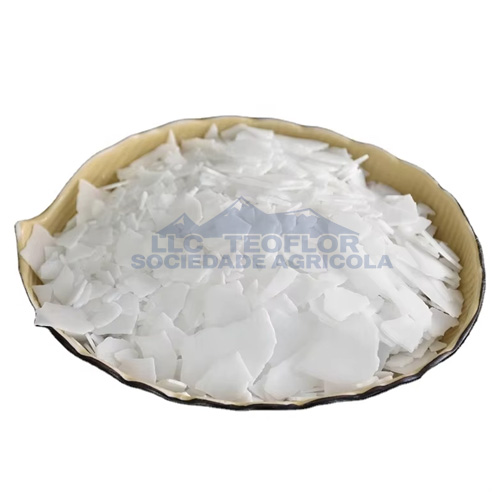
Formula: KOH
Molar Mass: 56.11 g/mol
Appearance: White solid
Solubility: Highly soluble in water, generating a lot of heat when dissolved
pH: Creates a highly alkaline (basic) solution when mixed with water
Rubber materials Potassium Hydroxide (KOH) Synthetic Rubber Production
Rubber materials play a crucial role in various industries, from automotive to medical. One key component in the production of synthetic rubber is Potassium Hydroxide (KOH). KOH is an important substance in the rubber manufacturing process, as it acts as a catalyst in the polymerization of synthetic rubber.
The production of synthetic rubber involves the polymerization of various monomers to create long chains of rubber molecules. KOH is used to initiate and speed up this polymerization process, resulting in the formation of strong and flexible rubber materials. Additionally, KOH helps to control the molecular weight and structure of the synthetic rubber, ensuring that it meets the desired specifications for specific applications.
In the rubber industry, synthetic rubber has become increasingly popular due to its durability, resistance to heat and chemicals, and overall performance characteristics. Synthetic rubber materials are used in a wide range of products, including tires, hoses, seals, gaskets, and industrial belts. The use of KOH in the production of synthetic rubber helps to enhance the quality and performance of these materials.
One of the key advantages of synthetic rubber production using KOH is the ability to customize the properties of the rubber to meet specific requirements. By adjusting the amount of KOH and other additives used in the polymerization process, manufacturers can tailor the characteristics of the synthetic rubber to suit different applications. This flexibility allows for the production of rubber materials with a wide range of properties, such as hardness, elasticity, and chemical resistance.
Furthermore, the use of KOH in synthetic rubber production helps to improve the overall efficiency of the manufacturing process. KOH acts as a catalyst, reducing the time and energy required for polymerization, and increasing the yield of high-quality synthetic rubber materials. This not only benefits manufacturers by streamlining production processes but also reduces costs and enhances product performance.
In conclusion, Potassium Hydroxide (KOH) plays a critical role in the production of synthetic rubber materials. By serving as a catalyst in the polymerization process, KOH helps to create high-quality rubber materials with tailored properties for various applications. The use of KOH in synthetic rubber production leads to improved efficiency, cost-effectiveness, and performance, making it an essential component in the rubber manufacturing industry.
| COMPONENT | SPECIFICATIONS (%) |
| KOH %≥ | 85.0 |
| Chloride (Cl) %≤ | 0.01 |
| KClO3%≤ | 0.005 |
| Fe%≤ | 0.0005 |
| Na %≤ | 0.4 |
| Al %≤ | 0.0005 |
| Pb%≤ | 0.0001 |
Packing : 25 kg neutral bag, jumble bag, or IBC drum.
Storage Location:
Dry Environment: Keep it in a cool, dry, well-ventilated area to prevent moisture absorption.
Away from Acids: KOH should be stored away from acids, as it can react violently with acidic substances.
Temperature: Store at room temperature and avoid exposing it to extreme heat, which may increase the chances of reactions.
Hot Tags: rubber materials potassium hydroxide (koh) synthetic rubber production, China rubber materials potassium hydroxide (koh) synthetic rubber production manufacturers, suppliers, factory, Agricultural Grade Potassium Nitrate, Agricultural Potassium Nitrate, potassium fulvate powder, Potassium Humate, the best fulvic acid, Water Soluble Potassium Humate

Reviews
There are no reviews yet.