
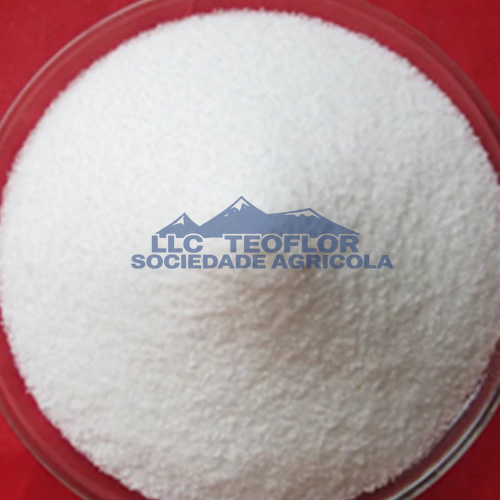

Boron Acid Strengthening Plant Cell Walls for Improved Stability
Boron acid, also known as boronic acid, has gained attention in the agricultural world for its ability to strengthen plant cell walls and enhance plant stability. This natural compound plays a crucial role in cell wall formation and structure, making it an essential nutrient for plant growth and development.
One of the key benefits of boron acid is its ability to improve plant stability. By strengthening cell walls, plants are better equipped to withstand environmental stressors such as wind, rain, and pests. This can lead to healthier, more resilient plants that are able to thrive in challenging conditions.
In addition to improving plant stability, boron acid also plays a role in increasing nutrient uptake and transport within plants. This can lead to improved overall growth and productivity, as plants are better able to absorb essential nutrients from the soil.
Furthermore, boron acid is known to enhance flower and fruit development in plants. By promoting cell division and growth, this nutrient can result in larger, more abundant blooms and harvests.
When it comes to application, boron acid can be effectively used as a foliar spray or soil drench. It is important to follow recommended guidelines for application rates to ensure optimal results without causing harm to the plants.
Overall, incorporating boron acid into your plant care routine can have a significant impact on the health and stability of your plants. By strengthening cell walls, improving nutrient uptake, and enhancing flower and fruit development, boron acid can help your plants thrive and reach their full potential.
In conclusion, boron acid is a valuable tool for plant enthusiasts looking to enhance the stability and productivity of their greenery. Consider incorporating this natural compound into your plant care regimen to see the benefits firsthand. Strengthening plant cell walls with boron acid may be the key to unlocking your plants’ full potential.


Crops That Benefit from Boric Acid:
Fruits & Vegetables: Apples, pears, tomatoes, potatoes, carrots, and citrus crops.
Oilseeds & Pulses: Soybeans, canola, sunflower, and lentils.
Cereals: Wheat, rice, and corn.
Others: Sugar beets, grapes, cotton, and beans.
Storage:
Storage Location:
Store boric acid in a cool, dry, and well-ventilated area. The storage area should be away from direct sunlight and sources of heat to prevent degradation or unwanted reactions.
Keep boric acid sealed in its original container or a tightly closed container to prevent moisture from absorbing, which can affect its quality and effectiveness.
Temperature:
Ideal storage temperature: 15°C to 30°C (59°F to 86°F).
Avoid storing boric acid in extremely high or low temperatures.

Hot Tags: boron acid stronger cell walls improve plant stability, China boron acid stronger cell walls improve plant stability manufacturers, suppliers, factory, Colorless Crystal Sodium Nitrate, Dimethyl Sulfoxide liquid, Dimethyl Sulfoxide uses, Industry Grade Sodium Nitrate, Melamine powder uses, Sodium Nitrate Technical Grade



Reviews
There are no reviews yet.