
Formula: H₃BO₃
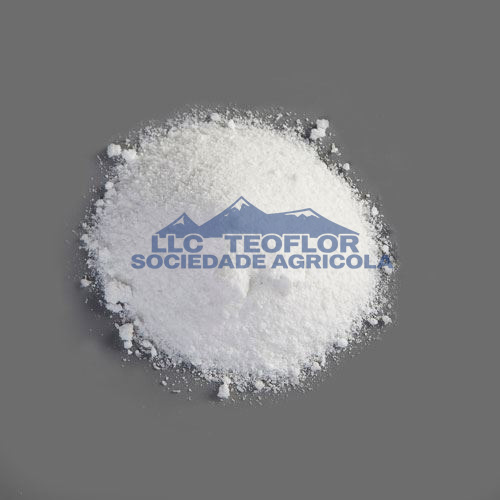
Appearance: White, crystalline powder, odorless
Content: Contains about 17-20% boron
Active Ingredient: The primary active component of boric acid is boron (B), which is essential for plant nutrition. The percentage of boron in boric acid typically ranges from 17-20%.
Purity: Commercial grades of boric acid are usually of high purity, but they can vary depending on the intended use (agricultural, industrial, or chemical).
A Versatile and Effective Solution for Preventing Deficiencies and Promoting Optimal Plant Health
Boric acid is a highly effective and versatile solution in agriculture, particularly for promoting plant health and preventing micronutrient deficiencies. It’s a key source of boron, an essential micronutrient that plays several crucial roles in the growth and development of plants.
Key Benefits of Boric Acid in Agriculture:
Prevention of Boron Deficiency:
Boron deficiency is one of the most common micronutrient deficiencies in crops, often leading to poor flower and fruit development, stunted growth, and yellowing leaves. Boric acid provides a reliable source of boron, preventing these issues and promoting healthy plant growth.
Enhances Reproductive Health:
Boron is critical for the development of pollen and the growth of pollen tubes. This means boric acid is essential for fruit set and seed formation, helping crops to develop optimal yields.
It also supports flowering, which is key to reproductive success, especially in fruit-bearing plants.
Improves Cell Wall Strength:
Boron helps in the formation of pectin in plant cell walls, which strengthens the cell structure. Stronger cell walls improve plant stability and enhance resistance to physical stress, making plants less prone to damage from wind, pests, or disease.
Boosts Nutrient Uptake and Transport:
Boron plays an essential role in nutrient transport, helping to regulate the movement of other essential nutrients like calcium. This improves overall plant health and ensures nutrients are effectively distributed within the plant, especially to growing tissues.


One of the main benefits of using boric acid on crops is its ability to improve the uptake of important nutrients such as calcium. Boron, a component of boric acid, is essential for the development of strong cell walls in plants. By ensuring that crops have an adequate supply of boron, farmers can help plants to better absorb and utilize calcium, which is crucial for cell division and overall plant growth.
Certain crops are known to benefit significantly from the application of boric acid. Some examples include fruits such as apples, pears, and grapes, as well as vegetables like broccoli, cabbage, and carrots. These crops are particularly sensitive to boron deficiencies, which can lead to stunted growth, poor fruit development, and reduced yields.
Using boric acid on crops:
It is important to follow proper application guidelines to avoid overuse, which can lead to toxicity in plants. It is recommended to conduct a soil test to determine the current levels of boron in the soil and adjust the application rate accordingly. Boric acid can be applied through soil drenching, foliar spraying, or fertigation, depending on the specific needs of the crop.
Storage & Handling of Boric Acid
Proper storage and handling are essential to maintain the quality of boric acid and to ensure safety during its use. Below are the recommended guidelines:
1. Storage:
Storage Location:
Store boric acid in a cool, dry, and well-ventilated area. The storage area should be away from direct sunlight and sources of heat to prevent degradation or unwanted reactions.
Keep boric acid sealed in its original container or a tightly closed container to prevent moisture from absorbing, which can affect its quality and effectiveness.
Temperature:
Ideal storage temperature: 15°C to 30°C (59°F to 86°F).
Avoid storing boric acid in extremely high or low temperatures.

Hot Tags: boric acid for prevents deficiency symptoms, China boric acid for prevents deficiency symptoms manufacturers, suppliers, factory, Dimethyl Sulfoxide liquid, Industry Grade Sodium Nitrate, melamine moulding powder, Melamine powder, Potassium Carbonate sds, Sodium Nitrate powder



Reviews
There are no reviews yet.