
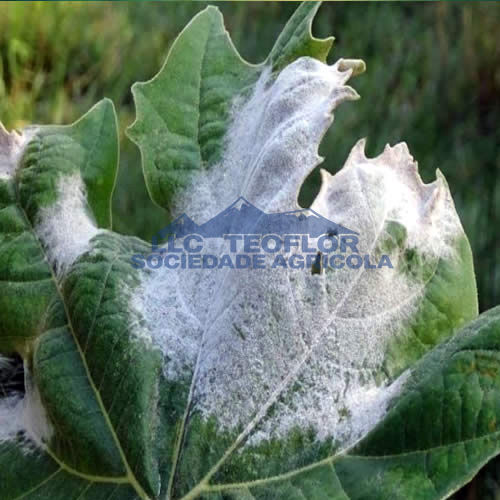
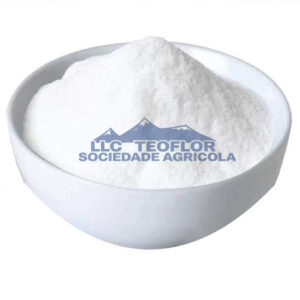
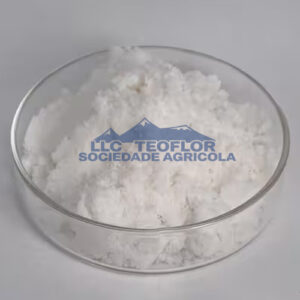
Product: Control powdery mildew Potassium Bicarbonate
Molecular formula: KHCO3
Molecular weight: 100.119

Description:
How to use potassium bicarbonate to prevent and treat powdery mildew
Powdery mildew is a common fungal disease that affects a wide range of areas. It can cause severe damage to plants and significantly reduce their yields. Fortunately, there are several control methods available, one of the most effective being the use of potassium bicarbonate.
Control powdery mildew Potassium Bicarbonate is a natural, non-toxic substance that can be used to control powdery mildew. It works by raising the pH of the plant’s surface, creating an environment unsuitable for fungi.
Here are the steps for controlling powdery mildew with potassium bicarbonate:
1. Identify powdery mildew
The first step in controlling powdery mildew is identifying it. Look for a white, powdery coating on the leaves, stems and flowers of your plants. If left untreated, powdery mildew can spread quickly and cause serious damage to plants.
2. Mix potassium bicarbonate
The next step is to mix in the potassium bicarbonate. Mix one tablespoon of potassium bicarbonate and one gallon of water. Mix well until the potassium bicarbonate is completely dissolved.
3. Spray on plants
Spray the plants with the Control powdery mildew Potassium Bicarbonate solution, making sure to cover all affected areas. Try to spray in the morning or evening when the sun is not too strong to avoid damaging the leaves. Use every 2-3 days until powdery mildew is completely gone. This solution can also be used as a preventative measure by spraying plants before powdery mildew appears.
4. Clean the area
After powdery mildew is gone, it’s important to clean the area around your plants. Remove any dead leaves or debris and dispose of them properly. Keeping the area clean and free of debris can help prevent powdery mildew from returning.
5. Repeat if necessary
If powdery mildew doesn’t go away after a few applications, you may need to try a different control method or seek professional help.
In summary, powdery mildew is a serious problem for plants, but it can be controlled with Control powdery mildew Potassium Bicarbonate. By identifying powdery mildew, mixing a potassium bicarbonate solution, spraying it on your plants, cleaning the area, and repeating as needed, you can effectively control this fungal disease and protect your plants.
Specification:
|
ITEM |
Indicator value |
Result |
|
|
Best quality |
First quality |
||
|
Exterior |
White crystal |
White crystal |
|
|
Total Alkali Content (KHCO3)% ≥ |
99.0 |
98.0 |
99.23 |
|
Potassium (K)%≥ |
38.0 |
37.5 |
38.42 |
|
Water insoluble matter%≤ |
0.01 |
0.05 |
0.025 |
|
Chlorides (KCI)%≤ |
0.02 |
0.05 |
0.025 |
|
Sulfate (K2SO4)%≤ |
0.02 |
0.04 |
0.025 |
|
Iron oxide (Fe2O3)%≤ |
0.001 |
0.003 |
0.0015 |
|
PH value (100g/l solution)%≤ |
8.6 |
8.6 |
8.6 |
Package: 25/50KG woven bag lined with plastic bags, or according to the requirements of customers.

Hot Tags: control powdery mildew potassium bicarbonate, China control powdery mildew potassium bicarbonate manufacturers, suppliers, factory, Dimethyl Sulfoxide uses, Colorless Crystal Sodium Nitrate, melamine moulding powder, Dimethyl Sulfoxide liquid, Industry Grade Sodium Nitrate, Sodium Nitrate sds


Reviews
There are no reviews yet.