
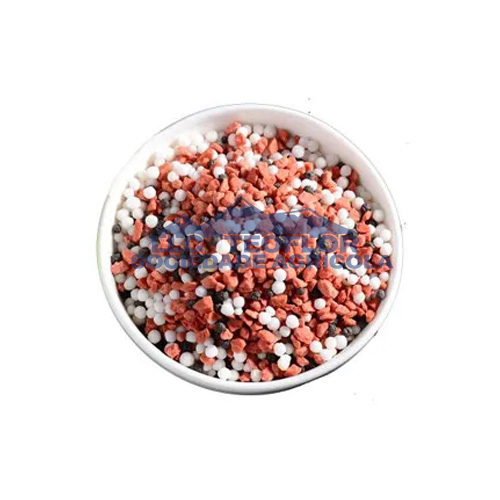
Product: Ammonium Phosphate Monobasic (MAP) Good For Oilseeds Soybeans/Canola/Sunflower
Molecular formula: NH4H2PO4
Composition:
Nitrogen (N): Typically around 11-12%
Phosphorus (P): Typically around 52-61% as P2O5

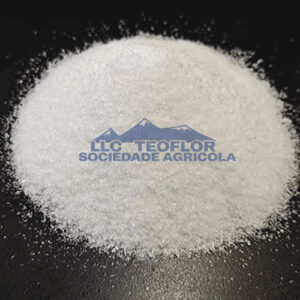
Ammonium Phosphate Monobasic (MAP) is an excellent fertilizer for oilseeds such as soybeans, canola, and sunflower. It is a white crystalline powder that is highly water-soluble and easy to handle. MAP contains two essential nutrients for plant growth: nitrogen and phosphorus. The nitrogen in MAP is in the form of ammonium, which is easily accessible to plants. The phosphorus in MAP is also easily accessible and is critical for plant root development, which is crucial for oilseed plants to thrive.
Soybeans, canola, and sunflower are all high-value oil crops that require large amounts of nutrients for optimal yields. MAP provides a balanced supply of nitrogen and phosphorus to these crops, which is essential for vigorous vegetative growth and prolific seed production. Furthermore, MAP is highly efficient in its nutrient uptake, which means that it helps reduce the amount of fertilizer needed to achieve the desired yield.
In addition to its nutrient content, MAP also has a number of other benefits for oilseed crops. It is pH neutral, which means that it does not alter the pH of the soil. This can help reduce the risk of nutrient deficiencies and toxicities, which can be a problem with some other fertilizer types. Additionally, MAP is non-volatile, which means that it does not release any harmful gases into the environment. This is particularly important for crops grown in close proximity to urban areas.
One of the major advantages of MAP for oilseed crops is that it is very versatile. It can be applied directly to the soil or used as a foliar spray. This flexibility allows farmers to tailor their fertilization programs to the specific needs of their crops. For example, foliar applications of MAP can provide a quick boost of nutrients during critical growth stages.
Ammonium Phosphate Monobasic (MAP) is an excellent choice for farmers looking to maximize the yield and quality of their oilseed crops. It provides a balanced supply of nitrogen and phosphorus that is critical for plant growth, while also offering numerous other benefits, such as pH neutrality and non-volatility. Additionally, its versatility allows farmers to tailor their fertilization programs to the specific needs of their crops, making it an ideal choice for both small-scale and large-scale farming operations.
Specification :
| Specifications | Index |
| NH4H2PO4 | ≥99.5% |
| As | ≤0.0005% |
| Pb | ≤0.0005% |
| Na | ≤0.003% |
| Water insoluble | ≤0.003% |
| H(50g/L solution,25ºC) | 4.0~4.5 |
Storage and transportation: The woven bag is lined with plastic film and sewn and sealed. Pay attention to sunscreen, moisture-proof, waterproof and anti-broken bags to avoid loss.
Package: 25/50KG woven bag lined with plastic bags, or according to the requirements of customers.

Usage Tips:
Soil Testing: It’s important to test soil nutrient levels before application to avoid over-fertilization.
Proper Dosage: Follow recommended application rates based on crop type and soil nutrient levels.
Watering: Ensure adequate watering after application to help dissolve and distribute the fertilizer.
Hot Tags: Types of Compound Fertilizer, China Types of Compound Fertilizer manufacturers, suppliers, factory, Colorless And Transparent Magnesium Sulfate Heptahydrate, ammonium molybdate fertilizer, ammonium molybdate tetrahydrate solubility, seaweed extract powder fertilizer, monoammonium phosphate fertilizer, Industrielles Magnesiumsulfat Heptahydrat


Reviews
There are no reviews yet.